Most residential interior basement waterproofing systems in New Jersey are installed in one to three days. Crack repairs take a few hours to a day, a full interior system with a vapor barrier and battery backup runs two to four days, and exterior excavation can take one to two weeks depending on weather. The size of the perimeter, whether the basement is finished, and whether foundation repair is part of the job are what move the schedule.
The timeline starts before the crew arrives and ends after they leave, with an inspection at the start and a test at the end. Understanding what happens on each day of an interior basement waterproofing system install helps you plan around it. This guide covers the timeline by project type, the daily sequence, what stretches the schedule, how to prepare, and what living in the house during the work is like.
Duration tracks scope. Here is how the common project types compare on time and disruption.
Project type | Typical duration | Disruption |
|---|---|---|
Crack repair or sealing | A few hours to 1 day | Minimal. Work is limited to the crack area. |
Interior drain plus sump pump | 1 to 3 days | Low. Work runs along the perimeter inside the basement. |
Full interior system with vapor barrier and battery backup | 2 to 4 days | Low to moderate. Perimeter work plus wall liner and pump installation. |
Interior system plus foundation repair | 3 to 5 days | Moderate. Adds wall stabilization or crack injection before drainage. |
Exterior excavation and membrane | 1 to 2 weeks | High. Digging around the foundation, landscaping removed and restored, weather dependent. |
For most New Jersey homes with groundwater seepage, an interior drain and sump system is the right fit and the fastest option. The guide compares basement drainage systems and explains why interior systems handle most local cases without excavation.
A well-run interior installation follows the same sequence every time. Knowing it lets you see whether a crew is on track.
Concrete needs about a day to cure before heavy foot traffic, so plan on keeping the perimeter clear for a short time after the crew finishes. The guide on how basement waterproofing works goes deeper on each component if you want the engineering behind the schedule.
Several things can add days. None of them should be a surprise if the inspection was thorough.
Permit rules are set statewide by the NJ Division of Codes and Standards, which administers the Uniform Construction Code and defines which work is exempt as ordinary maintenance. Ask your contractor which parts of your project, if any, need a permit and who pulls it. A contractor who pulls permits in the company’s own name is registered with the state, which is a good sign.
A little preparation shortens the job and protects your belongings.
Speed matters for another reason. The EPA notes that wet materials need to be dried within 24 to 48 hours to prevent mold, so a crew that opens the slab, installs the drain, and closes it back up within a few days keeps the basement from sitting exposed and damp.
Yes. Interior waterproofing does not require you to move out, and most families barely change their routine. The work is confined to the basement, the area is sealed with plastic containment, and the crew works regular daytime hours.
Expect noise and some dust on the first day, a few trips in and out through one door, and a basement that is off limits until the concrete cures. Water, heat, and electricity stay on. If the basement holds your laundry or a freezer, plan on a day or two without easy access to them. The battery backup and pump are tested before the crew leaves, so the system is working the moment the job ends.
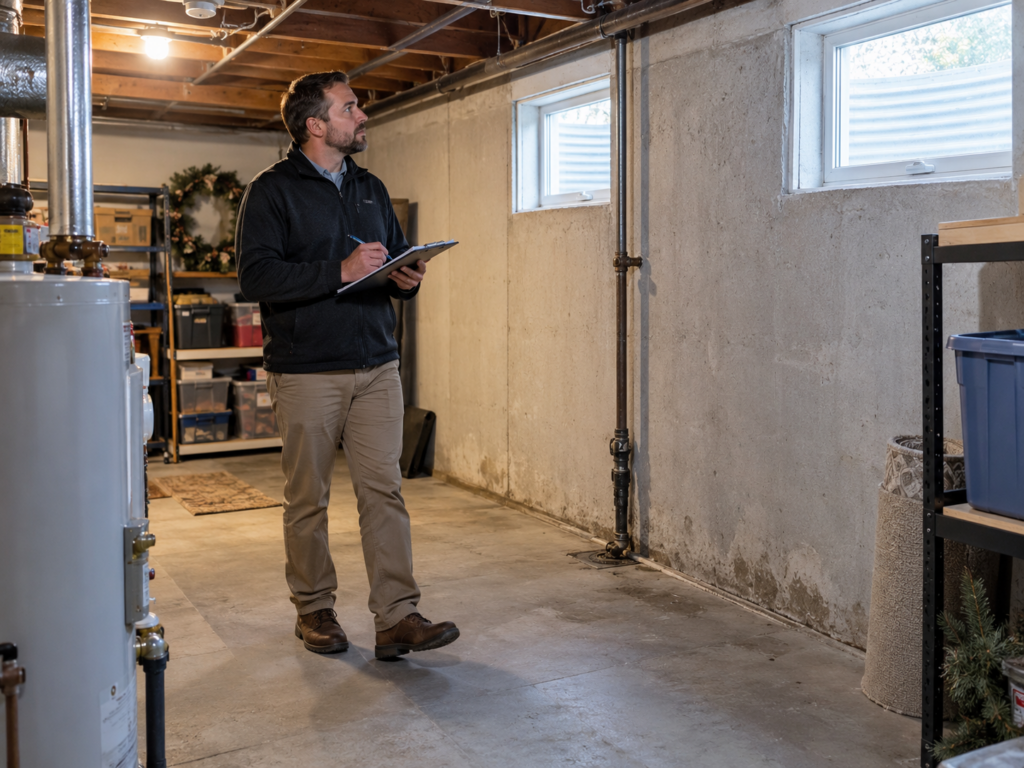
The inspection is the first day of the timeline, and the only one you control. A specialist checks the walls, floor, and wall-to-floor joint, finds where water enters, measures the perimeter, and hands you a written, itemized quote with a firm number of install days.
In-house crews with the owner on the job keep that schedule predictable, because no one is waiting on a subcontractor. Fall is the best time to book, since drier ground makes the install cleaner and the system is tested before winter freeze-thaw cycles push water at the foundation. Schedule your free inspection or call (973) 343-2086 to get a timeline for your home.
Most interior systems are installed in one to three days. Crack repairs take a few hours to a day, a full interior system with vapor barrier and battery backup takes two to four days, and exterior excavation takes one to two weeks.
One to three days for most New Jersey homes. The perimeter is opened on day one, drainage and the sump are set on days one and two, and the pump, liner, and concrete finish on day two or three.
Exterior work requires excavating around the foundation down to the footing, applying a membrane, installing exterior drainage, and restoring the landscape, and it stalls in frozen or saturated ground.
A finished basement that needs tear-out, foundation repair that must be done first, weather that affects exterior work, and permits for new electrical or plumbing work are the usual causes.
Often not for interior drainage, which generally falls under ordinary maintenance in the state Uniform Construction Code. New electrical circuits or plumbing changes can require a permit. Ask your contractor which parts of your project need one.
Yes. The work is confined to the basement and sealed with containment. Expect noise and dust on the first day and a basement that is off limits until the concrete cures, usually about a day.
About a day before normal foot traffic, with full strength developing over the following weeks. Keep heavy items off the new perimeter concrete for a few days.
No. The drain sits under the slab along the perimeter, the vapor barrier is behind the wall, and the sump sits in a sealed basin. Once the basement is finished, the system is out of sight.
Yes. The pump, battery backup, and drainage are tested with water before the crew leaves, and a specialist walks you through operation and maintenance.
Late summer through fall. Drier ground makes installation cleaner, scheduling is easier than in the spring rush, and the system is tested before winter freeze-thaw cycles push water at the foundation.