According to the American Society of Home Inspectors, nearly 60% of U.S. homes experience basement moisture problems, and in New Jersey, where many towns sit on high water tables and clay-heavy soils, the numbers are even higher.
After Hurricane Ida in 2021, thousands of basements across Union, Essex, and Bergen Counties flooded, showing just how vulnerable homes can be, even outside designated flood zones.
However, even minor rainstorms can lead to moisture intrusion if there are cracks in your basement walls. Over time, frequent rain, clogged gutters, and poorly graded landscaping will push water against your foundation, leading to bowing or cracked walls that allow in moisture.
Here’s what you can do now to prepare your basement for summer showers and prevent costly water damage.
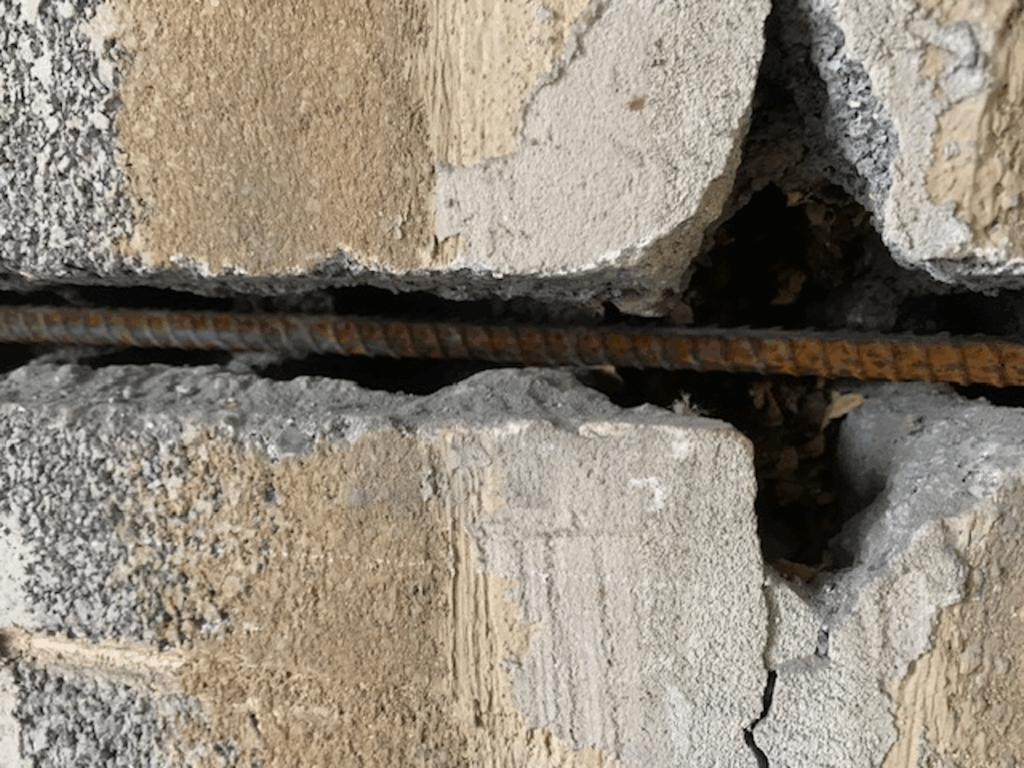
Begin by closely examining the foundation of your basement. Look for cracks and gaps in the walls and floors. Even small cracks can expand when exposed to moisture, leading to leaks and severe damage.
Seal any cracks with a masonry sealant. If you notice extensive damage, it’s wise to consult a professional.
Regular foundation inspections and repairs should become a part of your home maintenance routine. Addressing these issues now can prevent costly repairs in the future, especially before the next summer rainy season.
Maintaining clear gutters is vital for diverting rainwater away from your home’s foundation. Clogged gutters can cause overflow, leading to water pooling near your basement.
Before the rain arrives, remove leaves, twigs, and other debris from your gutters and downspouts.
Ideally, downspouts should extend three to four feet away from your home’s foundation to effectively guide rainwater away.
This simple task can significantly reduce the risk of water entering your basement.
If your basement tends to flood, a sump pump can be your best defense. This device actively removes excess water that collects in a sump pit, helping to keep your basement dry during heavy rainfall.
The Federal Emergency Management Agency (FEMA) estimates that up to 50% of all basements will experience some form of flooding in their lifetime.
Regularly check your sump pump to ensure it operates correctly. Test it before summer by confirming it turns on and off as it should.
Clear any blockages from the discharge pipe. A functioning sump pump can be a lifesaver during those unforeseen heavy downpours.
Waterproofing your basement not only guards against moisture but can also enhance air quality and energy efficiency. Consider applying waterproof paint or coatings to your basement walls, creating a protective layer that reduces dampness.
Homes with waterproofed basements can see a decline in energy costs.
In some cases, installing advanced waterproofing measures like drainage systems or moisture barriers may be necessary. Evaluate your options based on your home’s specific needs and consult with professionals if needed.
This investment can save you from substantial repairs in the future.
Proper insulation plays a crucial role in managing temperature and preventing condensation, which can lead to mold growth.
Inspect your basement insulation, particularly along walls and around pipes.
If you find any exposed areas, add insulation that is suitable for basement environments.
Properly insulated basements are more energy-efficient year-round, keeping your home comfortable during both summer and winter months.
The way your yard is landscaped can greatly impact how water flows around your home. Ensure your landscaping encourages drainage instead of pooling water around the foundation.
A large percentage of basement flood damage can be traced back to poor landscaping.
Regrade your yard if necessary to ensure water runs away from your home. Planting native plants can help absorb excess rainwater while beautifying your landscape.
Additionally, mulching flower beds can manage runoff. Keeping soil healthy promotes absorption and minimizes erosion.
To prevent damage from unforeseen flooding, be strategic with how you store items in your basement. Elevate essential belongings off the ground using shelves or waterproof bins.
This simple action minimizes the risk of damage during unexpected summer storms.
Regularly assess and organize your basement. Keep frequently used items in easily accessible areas while placing less essential items in storage.
A well-ordered space can help you act quickly if water threatens to enter.
Even with all precautions in place, it’s essential to have an emergency plan ready if flooding occurs. Assemble an emergency kit that includes flashlights, bottled water, first aid supplies, and a battery-operated radio.
Familiarize yourself with the operation of your sump pump, and be clear on other critical emergency steps.
Knowing how to contact local emergency services can provide additional peace of mind. A solid action plan is crucial for reducing stress and effectively responding to flooding scenarios.
Preparing your basement for the challenges of summer showers requires thoughtful preparation.
From inspecting your foundation to creating an emergency plan, each step is vital for keeping your home safe.
By implementing these strategies, you will not only protect your property but also create a healthier environment for you and your family. Investing time and effort into these preparations will allow you to enjoy summer rains without concern for water damage.
Heavy summer thunderstorms combined with the state’s high water tables mean that even homes outside FEMA flood zones can experience basement leaks.
Yes. Waterproofing is a preventative measure. By the time you see water, damage has already begun.
Check your sump pump, clear your gutters, and ensure your downspouts direct water away from the house. For extra protection, consider installing interior drainage or exterior waterproofing.