Foundation crack repair in New Jersey typically costs between $250 and $800 for minor cosmetic repairs.
Foundation reinforcement using steel, carbon strips, and helical tiebacks costs $1,700 to $11,000+ nationwide, depending on the extent of damage and service being performed.
Simpler repairs, like hairline cracks, can be treated with an injected epoxy that costs around $1,000 or less, while a horizontal crack indicating significant lateral pressure will require more expensive foundation-reinforcement services.
New Jersey homeowners face specific environmental pressures that accelerate foundation cracking, making immediate repairs for visible damage pertinent.
The state’s heavy annual rainfall, rapid freeze-thaw cycles, and the dense clay soils common across Northern and Central Jersey all contribute to hydrostatic pressure against foundation walls.
This guide breaks down foundation crack repair costs in New Jersey by crack type, repair method, and the factors that drive prices up or down across our service area.
Not all foundation cracks are equal, and the type of crack is the single biggest driver of repair cost.
New Jersey’s foundation crack repair pricing varies widely because different crack types reflect different underlying problems, each requiring a different approach.
Hairline cracks less than 1/8 inch wide that run vertically are the most common and least serious type of foundation crack in New Jersey homes. They typically develop within the first few years of a structure’s life as poured concrete cures and shrinks. Most do not affect structural integrity.
Vertical cracks wider than 1/8 inch or cracks that have grown over time indicate more significant differential settlement or concrete movement. In New Jersey homes with heavy clay soils that expand and contract seasonally, vertical cracks often widen during wet winters and close slightly in dry summers.
Diagonal cracks running at 45-degree angles, and stair-step cracks running along mortar joints in block or brick foundations, indicate differential settlement (i.e., the foundation is sinking unevenly in one area).
This is more common in homes built on poorly compacted fill, expansive clay, or near the Sandy soil coastal plain.
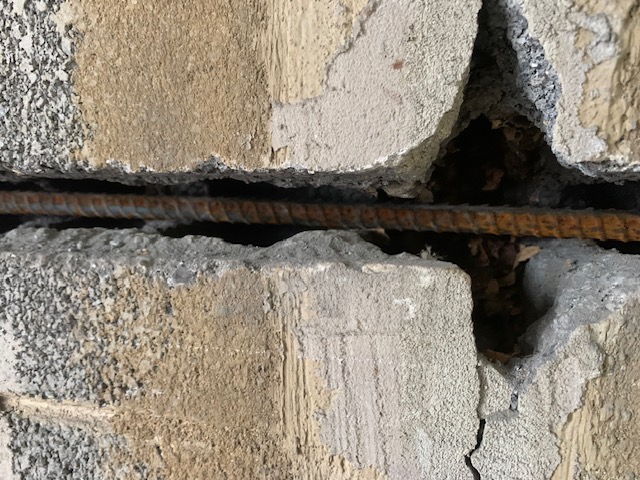
Horizontal cracks are the most serious type of foundation crack and indicate significant lateral soil pressure pushing inward against the wall. In New Jersey’s clay-heavy soils, which retain water and expand substantially during freeze-thaw cycles, horizontal cracks can progress rapidly.
After identifying the type of crack you are dealing with, the repair method will be the primary factor determining the final price of services.
Epoxy injection serves as the industry standard for repairing non-structural cracks in poured concrete foundations. This process involves injecting a two-part resin under pressure into the crack to create a rigid seal that is often stronger than the concrete itself.
It is best suited for dry or previously dry structural cracks that require structural continuity. In New Jersey, homeowners can expect costs ranging from $300 to $1,200 per crack, depending on the length.
This method is considered permanent because the epoxy does not shrink and bonds at a cellular level with the concrete.
For cracks that are actively leaking, polyurethane foam injection is the preferred solution. The foam expands upon contact with water to create a flexible, hydrophilic seal that excels in wet conditions.
It is ideal for leaking cracks or foundations prone to ongoing settlement. The typical cost range is $400 to $1,500 per crack.
Its primary advantage over epoxy is its flexibility, which allows it to accommodate the seasonal soil movement common in New Jersey without re-cracking.
Carbon fiber straps are bonded to the interior foundation wall to stabilize cracks and halt inward movement.
This method is utilized when a wall shows signs of lateral pressure or early inward deflection, specifically horizontal cracks with less than 2 inches of movement. For a typical wall section in New Jersey, the cost generally ranges from $1,700 to $5,000.
While highly effective at stabilization, it is important to note that carbon fiber cannot push a wall back to its original position; its primary role is to prevent further damage.
Wall anchors consist of steel plates installed on the interior wall connected to rods anchored in stable soil outside the pressure zone. This system is designed for walls with moderate to significant inward deflection that require gradual restoration.
The cost in New Jersey ranges from $1,600 to $2,800, depending on the number of anchors needed and the specific soil conditions. This is a long-term solution where the anchors are tightened over time, typically restoring the wall to plumb over one to three seasons.
While basic repairs have standard price points, several regional factors can push the cost of foundation crack repair in New Jersey above baseline estimates. Understanding these variables helps homeowners better anticipate the total investment required to secure their property.
Not every foundation crack requires immediate professional intervention, but several signs indicate a crack that should not wait:
If you notice any of these signs, contact a professional foundation repair company immediately for an evaluation. Ignoring foundation cracks will compound existing issues, driving up repair costs and threatening the structural integrity of your home.
In many instances, foundation repairs and waterproofing are recommended together to address external sources of foundation stress to prevent the same cracks from forming again.
A foundation crack that leaks water indicates that water pressure outside the foundation is high enough to push through. Sealing the crack stops the current leak, but does not reduce the hydrostatic pressure that caused the crack.
Homes in New Jersey with a history of wet basements or multiple cracks across the foundation typically benefit from a combined approach: crack repair for immediate structural sealing combined with an interior drainage system and sump pump to manage the ongoing water pressure that will continue to stress the foundation.
Professional foundation specialists provide comprehensive inspections that assess the full scope of the issue. These evaluations determine the specific types of cracks present, whether water intrusion is active, and the current state of local drainage conditions.
This holistic approach ensures you understand whether a simple crack repair is sufficient or if a more robust waterproofing system is required to protect your home’s structural integrity.
While you can patch hairline cracks with hardware-store cement, these are only surface-level fixes. They don't fill the full depth of the crack and often fail under water pressure. Professional injections create a permanent, full-depth seal. Any structural cracks, like horizontal or bowing lines, require a professional inspection before any work begins.
Most standard policies do not cover repairs caused by normal soil movement, settlement, or water pressure. Coverage typically applies only if the damage was caused by a sudden event, such as a burst pipe. It is best to check with your local agent to confirm your specific coverage.
Most individual crack injections are completed in 1 to 3 hours. More intensive structural work, like installing carbon fiber straps or wall anchors, can take 1 to 2 days. Major projects involving excavation may take longer. You should receive a clear timeline estimate following an initial inspection.
A crack sealed with professional-grade epoxy or polyurethane will not re-open in the same spot. However, if the root cause, such as poor drainage or soil pressure, isn't fixed, new cracks may develop nearby. A thorough evaluation can determine if you need a broader waterproofing solution to prevent future issues.
Choose a contractor with at least a decade of local experience and a permanent local address. Look for companies that use their own trained employees rather than subcontractors and offer transferable warranties. Always insist on a transparent, written estimate before any work starts.