Protecting your New Jersey basement from water damage is essential for maintaining your home’s value, indoor air quality, and structural integrity.
Homeowners faced with damp walls, leaks, or musty odors often ask the same question: Should I waterproof my basement myself, or hire a professional?
Basement waterproofing is considered a highly specialized practice that requires expensive equipment and precise planning to ensure that moisture does not leak into your basement.
In wet environments like New Jersey, which exceed the national average for rain and snowfall, waterproofing becomes even more important for protecting your foundation or finished basement.
Whether you’re a contractor or have done specialized projects in the past, here are some reasons why professional waterproofing services are essential for long-term results.
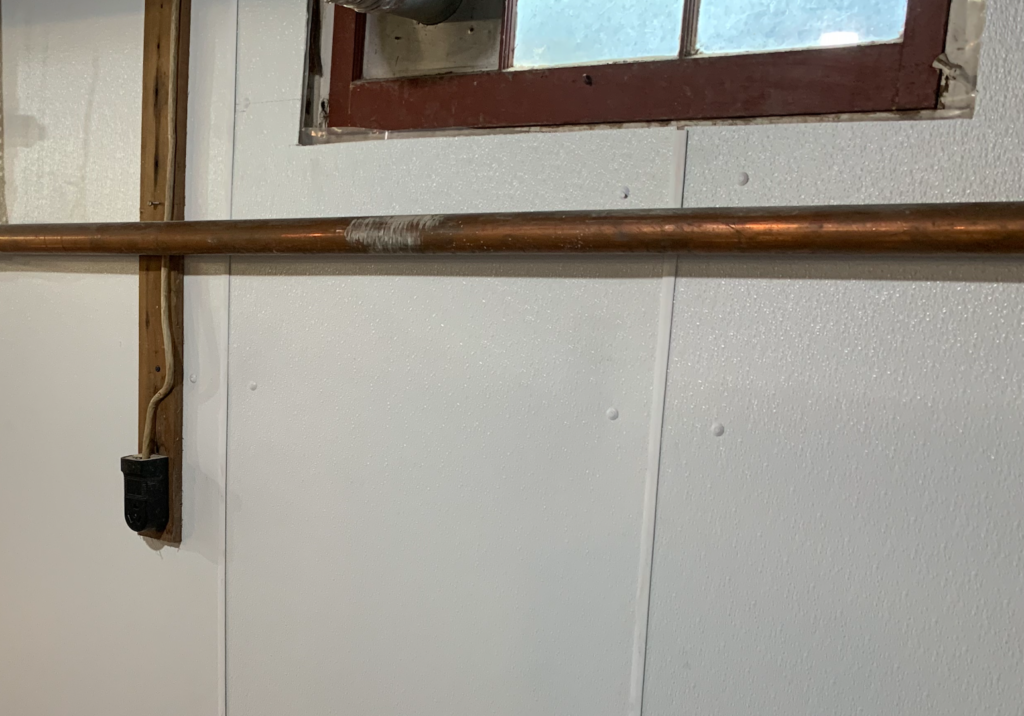
Basement waterproofing is the process of preventing water from entering your basement through a series of exterior or interior modifications. When searching for a local contractor, there are generally three levels of services offered.
When properly installed, these layers work together to keep your basement dry and your foundation strong.
DIY waterproofing may be an option for minor moisture problems, such as damp walls or small cracks, but it should never be considered a long-term waterproofing solution.
Many homeowners believe that a simple parge coat around their stone or cement foundation is enough to keep water at bay.
However, a leaky basement isn’t just the result of extreme weather; rising water tables and hydrostatic pressure act on your basement walls, allowing water to penetrate through gaps.
Over time, you may see water filling up on your basement floor or the footings near your foundation after a small rainstorm.
Furthermore, extensive projects, such as installing french drains and sump pumps, will require specialized tools, such as excavation equipment that is simply too advanced for the average layman to tackle.
For minor projects, there are some advantages to DIY waterproofing, if you’re willing to go through the labor, though the risk of mistakes is high.
For chronic leaks, flooding, or foundation issues, professional waterproofing is usually the smarter choice.
Professionals like our staff here at United Waterproofing are trained in waterproofing services and understand the science behind how it works. We even modify our own equipment to improve its longevity and field results to ensure a dry basement for decades.
Generally, professional waterproofing services are always recommended for advanced water intrusion, and most homeowners can benefit from getting a professional estimate. Here are some factors to consider when choosing between the two.
Waterproofing is not a one-size-fits-all solution, so when searching for a contractor, be sure that their recommendations are based on your unique home circumstances and the local climate.
No. DIY methods can help with small cracks or moisture issues but are rarely effective against significant flooding or structural water intrusion.
Costs vary widely depending on the size of the basement and the method used, but professional services typically range from a few thousand dollars for interior drainage to tens of thousands for full exterior waterproofing.
Relying solely on waterproof paints or sealants. These may temporarily block moisture but do not address underlying causes like poor drainage or foundation cracks.