Basement waterproofing is one of the smartest investments you can make to protect your home in New Jersey, which is among the rainiest states in the nation.
Beyond the threat of flooding from nearby streams and lakes, the clay-rich soil of the Raritan Valley and across the state traps moisture, leading to drainage issues.
For example, the Carlisle series soil found in Passaic County is notorious for poor drainage, allowing water to collect around basement walls and exert hydrostatic pressure that leads to bowing and cracks.
In addition, groundwater pressure and persistent moisture will cause mold growth, water pooling, and costly structural damage, including sloping floors.
Choosing the right waterproofing company ensures your home stays dry, healthy, and protected year-round.
Not all waterproofing companies offer the same level of services, expertise, materials, or long-term reliability, making it essential to choose the right one for your basement.
This guide explains what to look for in a waterproofing company, how to compare companies effectively, and how to choose the solution that offers real protection, not quick fixes.
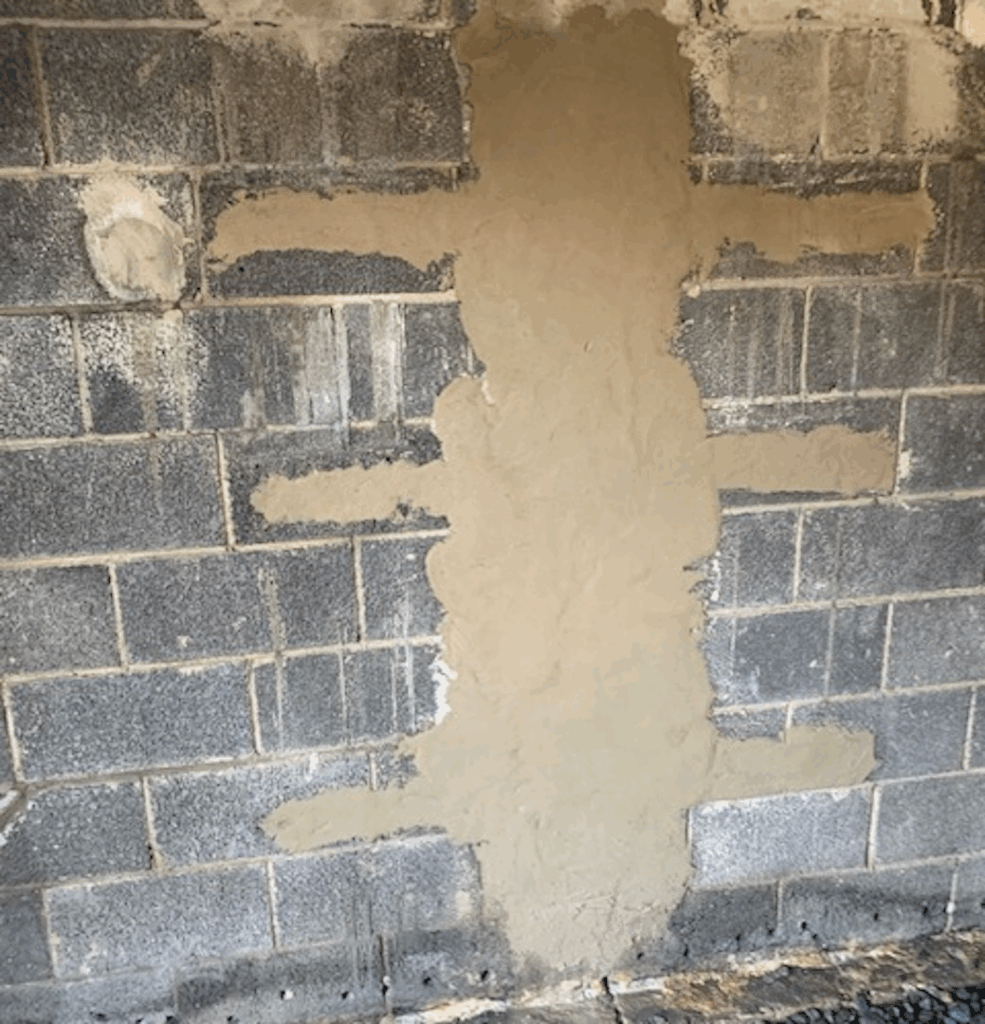
New Jersey’s soil conditions, aging foundations, and seasonal storms put pressure on basement walls, forcing water into the basement. Even small amounts of moisture cause mold, musty odors, rot, and structural deterioration over time.
Waterproofing is more than sealing a crack — it’s about creating a controlled drainage system that manages groundwater and moisture. Addressing leaks early prevents expensive foundation repairs later.
Common signs you need waterproofing:
Don’t ignore these signs, as foundation issues will compound, causing structural damage that extends all the way to your roof.
Waterproofing encompasses a wide variety of services, from interior French drains to exterior soil grading. Selecting the right waterproofing service in New Jersey depends largely on your home’s age, local ecological conditions, and the surrounding soil.
Interior waterproofing manages groundwater and moisture once it has made contact with your foundation. It redirects water to a controlled drainage system, allowing it to be safely removed from the basement.
Some common interior waterproofing methods include:
Exterior waterproofing prevents water from reaching your foundation walls in the first place. This method blocks and redirects moisture before it enters the structure. Common exterior waterproofing services include:
Foundation repair targets specific points of water entry with an epoxy or foam injection to stop leaks at their source. It’s a precise solution for visible cracks that allow moisture through the wall.
Comparison Overview: Interior vs. Exterior Waterproofing
Approach | Best For | Benefits | Considerations |
Interior Drainage + Sump Pump | Groundwater seepage, hydrostatic pressure | Effective, non-invasive, cost-efficient | Controls water after it reaches the foundation |
Exterior Waterproofing | Severe exterior water intrusion | Stops water before reaching walls | More costly, requires excavation |
Crack Repair | Local leak points | Quick and targeted | Only effective if no wider drainage issues exist |
Choosing waterproofing services solely on price often results in short-term fixes. Instead, evaluate companies based on their capabilities and guarantees.
Research waterproofing companies that specialize in basement and foundation waterproofing, not general home repair.
New Jersey basements face unique groundwater pressure and soil conditions, so working with a company that understands local foundations leads to better long-term protection.
Teams should be trained in-house rather than subcontracted, ensuring consistent workmanship and accountability.
Specialized, locally experienced contractors are simply better equipped to design solutions that hold up over time.
A waterproofing system is only as strong as its design and materials. Effective systems include proper drainage capacity, sealed moisture barriers, and reliable, high-capacity sump pumps.
When reviewing quotes, ask specifically about the type of piping, pump size, discharge routing, and the use of drainage stone.
Companies that use the same system for every home are often addressing symptoms rather than the source of the moisture. Custom system design helps ensure your basement stays dry for the long run, not just temporarily.
A proper waterproofing inspection should be thorough and thoughtful. The evaluation should include both interior and exterior foundation review, soil grading considerations, and humidity or moisture readings.
A contractor should be able to explain how and why water is entering your basement before recommending solutions. Quick, one-size-fits-all estimates usually lead to partial fixes. A careful diagnostic process ensures the system chosen truly stops the issue at its source.
A strong warranty is a sign of a company’s confidence in its work. Look for lifetime, transferable warranties that cover both materials and labor, so the protection continues even if you move.
Clear, straightforward warranty terms show that the contractor expects the system to perform for decades, not just a few years. If the warranty language is vague or heavily conditional, that’s a warning sign that the system may not last.
Customer reviews reveal a company’s consistency and reliability over time. Look for patterns in feedback across Google, BBB, Yelp, and neighborhood forums.
Before-and-after photos and real project examples are also strong indicators of quality. A company with a solid reputation is one that follows through long after installation day.
Pricing varies based on basement size, installed systems, and the severity of water intrusion. While a cheaper quote may seem appealing, it may exclude key materials or drainage elements that ensure long-term results.
Compare estimates line by line, focusing on what is included rather than the total cost alone.
Ask your contractor these questions when acquiring your quote to get a better idea if they are the right fit:
Your waterproofing contractor should be able to answer these questions and explain their process in an easy-to-understand way.
If you’ve noticed dampness, musty odors, visible moisture, or cracks, your foundation may already be under hydrostatic pressure. The sooner waterproofing begins, the easier and more cost-effective the solution becomes.
A trained United Waterproofing specialist will inspect your basement, explain the causes of moisture, and recommend a long-term solution tailored to your home’s specific conditions.
Getting multiple quotes will help you find a contractor you trust and that offers the best waterproofing solutions for your New Jersey home.
A well-designed and professionally installed system should last for the lifetime of the home, especially when backed by a strong warranty.
Yes. A dry basement improves air quality, structural integrity, storage usability, and resale confidence.
Not always. The right solution depends on where and how water is entering. A professional inspection determines the most appropriate method.