Basement waterproofing protects your NJ home by controlling how water interacts with the foundation. Because basements sit below ground level, they are constantly exposed to groundwater, soil moisture, and hydrostatic pressure.
Much of Northern New Jersey contains Bootoon and Carlisle Series soils, the latter of which drains extremely poorly. Combined with New Jersey’s above-average rainfall and the close proximity of many homes to wetlands and riversheds, it’s extremely common for basements and foundations to suffer from persistent moisture intrusion and flooding.
Humid summers and poor ventilation due to outdated building codes can also contribute to moisture problems, including mold and mildew buildup.
Without proper waterproofing, water will eventually enter your basement through cracks, joints, or porous concrete, pooling around the footings and eroding the foundation.
Basement moisture issues compound quickly over time, escalating from simple patches to full foundation repairs.
Basement waterproofing is a preventive measure that protects your foundation from structural issues and keeps water out of your basement before it impacts air quality and your home value.
This guide will discuss six benefits of proactively waterproofing your New Jersey basement to protect your foundation, health, and belongings.
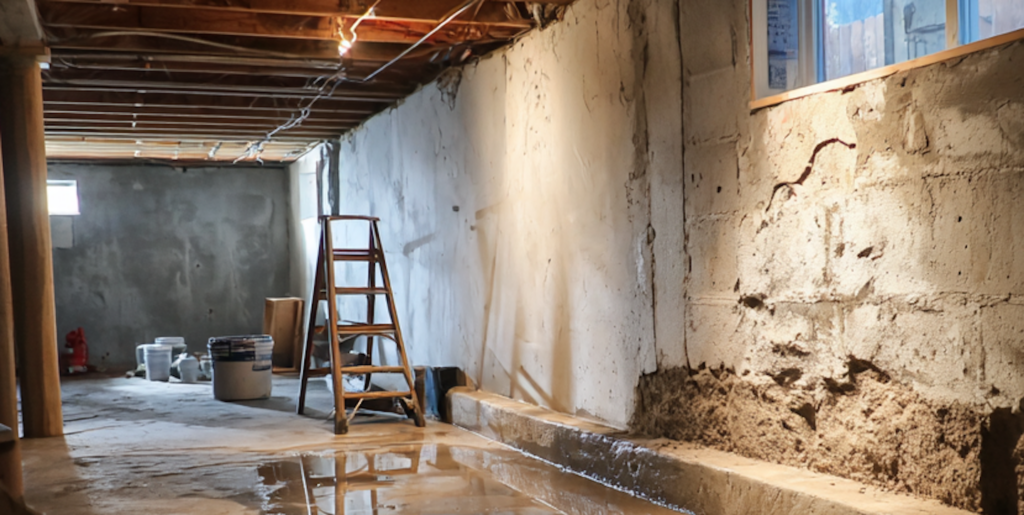
The most important role of basement waterproofing is to prevent water from weakening the foundation. Water commonly enters through foundation cracks, mortar joints, window wells, or areas where drainage systems fail.
Repeated moisture exposure increases pressure on foundation walls and accelerates concrete deterioration.
Winter freeze–thaw cycles, soil expansion, and prolonged saturation can cause cracks to widen, walls to bow, and structural components to shift.
Waterproofing systems relieve this pressure by redirecting water away from the foundation or managing it before it enters the basement.
Basements that allow water intrusion often remain damp long after the initial leak occurs. Persistent moisture creates ideal conditions for mold and mildew growth, especially in enclosed or poorly ventilated areas.
Mold spores can spread from the basement into living spaces through airflow and HVAC systems. Waterproofing reduces moisture levels at the source, limiting mold growth and improving overall indoor air quality.
This is especially important for households with respiratory sensitivities or allergies.
Waterproofing manages how groundwater behaves around the foundation. When soil becomes saturated, hydrostatic pressure builds, and forces water toward the basement walls and floor.
Interior drainage systems, sump pumps, and exterior waterproofing solutions relieve this pressure by collecting and redirecting water before it enters the structure.
Without waterproofing, even minor groundwater pressure can result in recurring leaks and long-term damage.
A damp basement affects how efficiently a home maintains temperature. Moisture intrusion allows cold air to enter during winter and increases humidity during warmer months. This forces heating and cooling systems to work harder to maintain comfort.
Waterproofing helps seal gaps and reduce moisture transfer through foundation walls. A drier basement supports more consistent indoor temperatures and can reduce overall energy usage.
Water intrusion limits how a basement can be used. Moisture damage can ruin drywall, flooring, insulation, and stored belongings. Even unfinished basements can suffer damage to mechanical systems, electrical components, and structural supports.
Waterproofing protects the basement space so it can be safely used for storage, utilities, or finished living areas.
Preventing water damage also reduces the likelihood of repeated repairs and material replacement.
Basement water problems are a major concern during home inspections. Signs of leaks, mold, or foundation damage can delay sales, reduce offers, or require costly remediation before closing.
Waterproofing protects property value by addressing water issues proactively. A dry, protected basement signals that the home has been properly maintained and reduces concerns for future buyers.
Basement waterproofing methods vary based on the source of the water intrusion, foundation construction, soil conditions, and the age of the home. No single solution works for every basement, which is why proper diagnosis matters.
Interior waterproofing prevents water from entering the foundation. These systems use interior drainage channels, sump pumps, and collection points to relieve hydrostatic pressure and redirect groundwater away from the basement before it causes damage.
Interior solutions are effective year-round and are commonly used when groundwater pressure is the primary issue.
Exterior waterproofing prevents water from ever reaching the foundation. This approach uses waterproof membranes, protective coatings, exterior drains, and proper grading to block moisture and manage surface water. Exterior systems are often recommended when foundation walls are directly exposed to persistent soil saturation.
A professional assessment identifies how water is entering the basement and why it is occurring.
In many cases, combining interior and exterior waterproofing methods provides the most reliable long-term protection by addressing both water pressure and direct entry points.
Waiting until visible flooding or structural damage occurs increases repair costs and long-term risk. Waterproofing is most effective when done before repeated water exposure weakens the foundation.
Addressing basement waterproofing early protects the entire home, not just the basement. It limits moisture damage, reduces health risks, and preserves structural integrity over time.
Water damage often starts behind walls or under floors, where it isn’t visible.
Moisture can enter through small cracks or through porous concrete, slowly weakening the foundation before obvious leaks appear.
Ignoring water intrusion allows cracks to widen, increases hydrostatic pressure, and raises the risk of mold growth and structural damage. Over time, repairs become more expensive and disruptive.
Waterproofing does not prevent all cracking, but it reduces moisture pressure that causes cracks to expand.
Limiting water contact helps slow deterioration and protects existing repairs.
Yes. Waterproofing reduces moisture levels that support mold and mildew growth. Lower humidity improves air quality and reduces the spread of airborne spores into living areas.
No. Newer homes can also experience water intrusion due to soil conditions, grading issues, or drainage failures. Waterproofing addresses environmental factors, not just age.
Yes. Waterproofing systems manage groundwater and redirect water away from the foundation, reducing the risk of leaks and flooding during heavy rain or snowmelt.
Yes. A dry basement improves usability and reduces inspection concerns. Waterproofing signals proper maintenance and can help protect resale value.
Always. Waterproofing should be completed first to prevent moisture damage to drywall, flooring, insulation, and electrical systems.